Reimagining Healthcare Survey: Beyond Traditional Methodologies
In today’s increasingly complex healthcare ecosystem, traditional survey methodologies are struggling to keep pace. The challenge is no longer about gathering data—it’s about uncovering the deeper narratives behind surface-level responses to drive actionable insights.
The Paradigm Shift in Survey Methodology
Healthcare market research is undergoing a fundamental transformation. The traditional checkbox-based surveys are being replaced by methodologies designed to capture the richness of professional experiences. Modern surveys demand a more nuanced, contextual, and narrative-driven approach to understanding the healthcare industry. The difference between a good survey and a game-changing research instrument often lies in the precision of your questions.
Key Principles of Modern Healthcare Survey Design
Prioritize Contextual Depth Over Surface-Level Metrics
Research is no longer about collecting data points, but about understanding the intricate ecosystem of healthcare decision-making. Each question becomes a window into complex professional landscapes.
Adopt a Narrative-Driven Approach
Rigid, predefined categories limit the ability to extract meaningful insights. Allowing respondents to express their experiences, perspectives, and challenges in their own words enables researchers to uncover nuanced themes that standardized options often miss. This shift transforms surveys from static data collection instruments into tools for capturing authentic human stories.
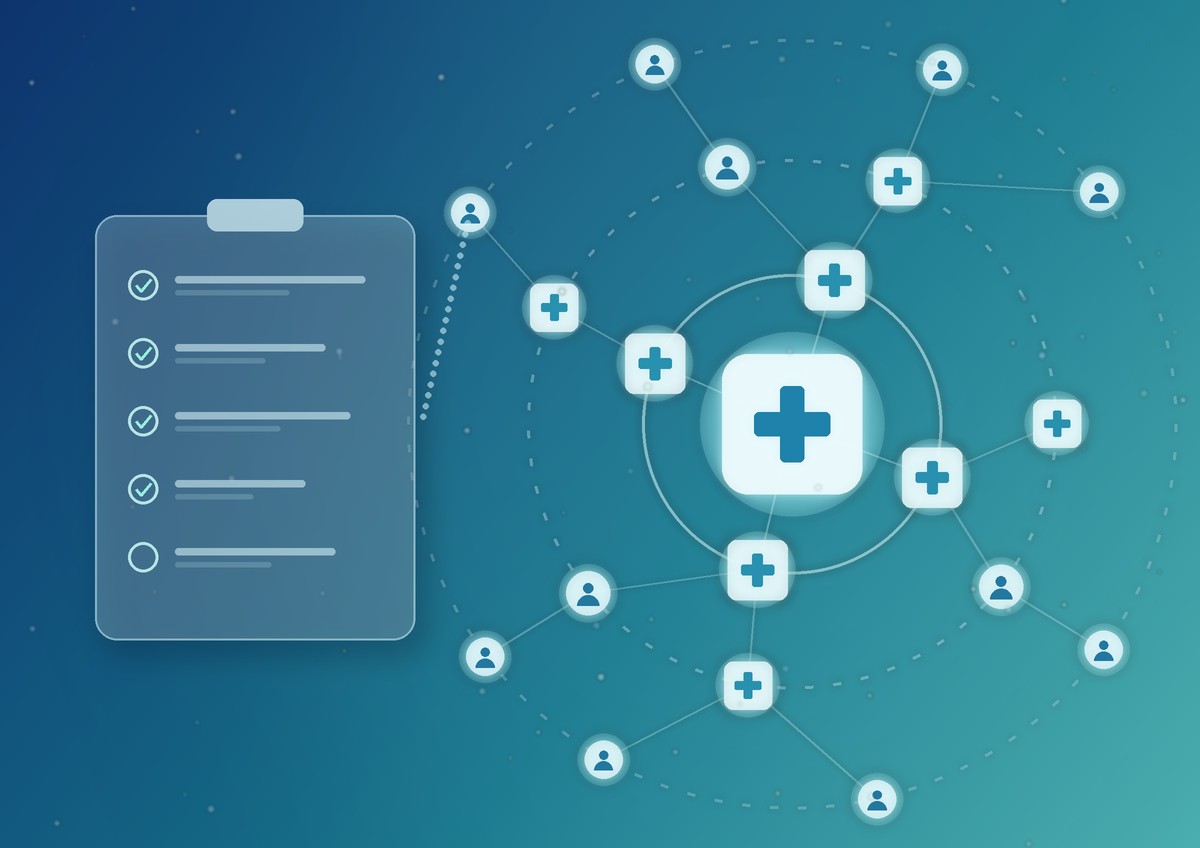
Embrace a Systemic Perspective
Healthcare is not isolated—it. It is a deeply interconnected system influenced by technology, policy, institutional dynamics, and human factors. Effective surveys must transcend individual perspectives to consider the broader context, providing insights into the systemic factors shaping healthcare outcomes.
Understanding the lived experiences of healthcare professionals requires reimagining surveys as more than static tools. Instead, they should act as conversational instruments that:
• Honor Professional Expertise: Respect respondents’ autonomy and expertise in their fields.
• Capture Complexity: Seek to understand the broader context of professional challenges and decisions.
• Generate Transformative Insights: Provide findings that enable actionable change within the healthcare system.
Modern surveys should position respondents as collaborators rather than subjects. By fostering a collaborative process, researchers can gain deeper, more authentic insights while empowering respondents to shape meaningful narratives.
Moving Beyond Data Collection
Healthcare surveys should be reframed as tools for strategic intelligence rather than simple data-gathering exercises. With this mindset, surveys can:
• Map Emerging Professional Ecosystems: Identify key players, trends, and shifts within the industry.
• Uncover Innovation Potential: Reveal untapped opportunities for technological or procedural advancements.
• Understand Decision-Making Architectures: Gain insight into how professionals navigate complex systems to make critical choices.
The future of healthcare market research lies in designing methodologies that are:
• Intellectually Rigorous: Grounded in strong theoretical frameworks to uncover deeper insights.
• Contextually Sensitive: Adaptable to the diverse and dynamic nature of healthcare ecosystems.
• Technologically Adaptive: Leveraging AI and advanced analytics to personalize surveys and extract richer data.
Healthcare survey research is no longer just about gathering data—it’s about shaping the way we understand and interact with one of the world’s most vital and complex industries. To drive meaningful progress, we must embrace survey methodologies that are not only innovative but also philosophically aligned with the values of collaboration, context, and systemic understanding.
Our research methodologies are not just tools—they are philosophical interventions into the complex world of healthcare innovation. Contact our specialized team to support your HCP survey needs.