How to Stop Survey Fraud Without Hurting Genuine Respondents

Survey fraud is getting smarter, putting data quality and every insight-led decision at risk. A single batch of compromised responses can distort results, waste budget, and shake client confidence.
The challenge for researchers is clear: how to protect data authenticity while maintaining a seamless experience for genuine participants.
Why Survey Fraud Matters More Than Ever
Survey fraud is no longer about simple bots. Today’s fraudsters use VPNs, fake identities, and even AI-generated responses to bypass basic checks.
The result? Biased insights, unreliable customer data, and poor business decisions that affect everything from product strategy to market entry.
Common signs of survey fraud:
• Multiple identical IPs or devices
• Unnaturally fast completion times
• Copy-pasted open-ended answers
• Mismatched demographic or geographic data
Designing Surveys That Keep Fraudsters Out
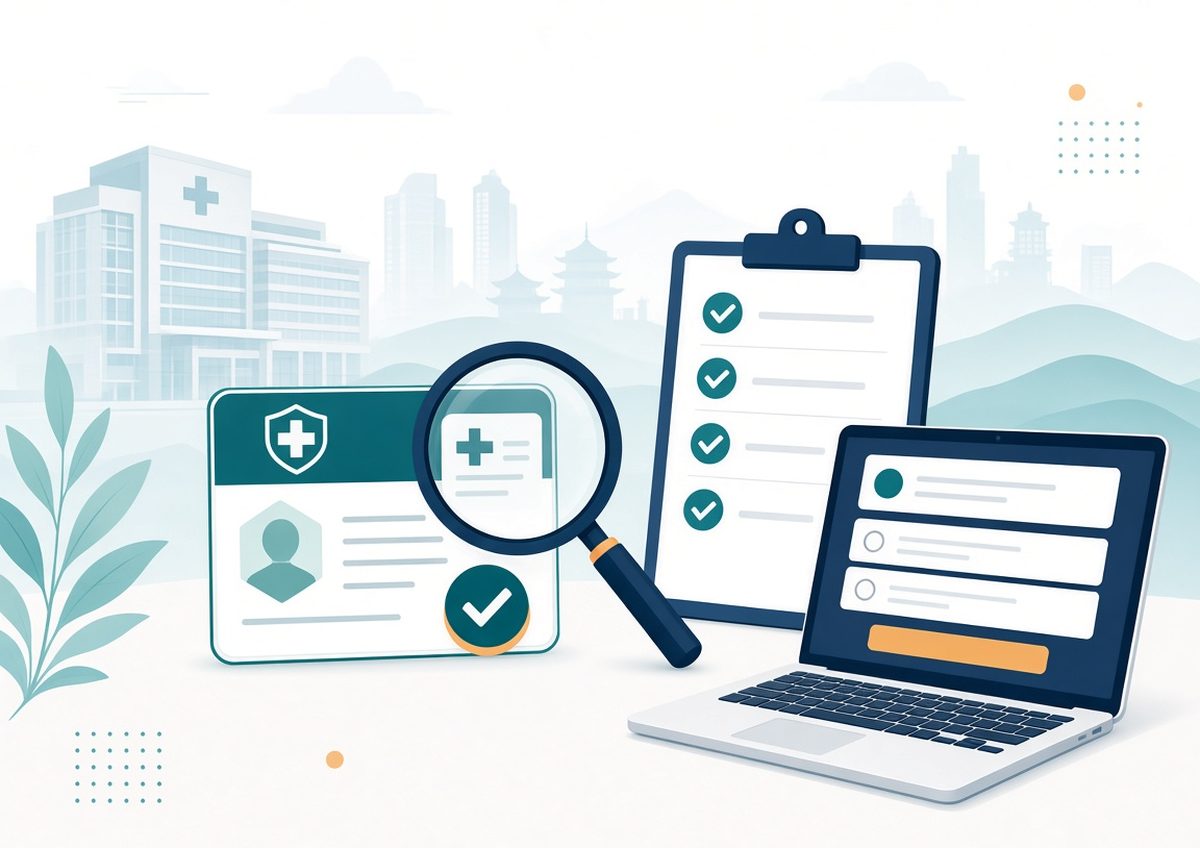
1. Strengthen Identity Checks Early
Start by validating who enters your survey. Use email verification, device fingerprinting, or two-factor authentication to filter out fake users before they begin. Integrating fraud detection APIs or third-party tools can help spot red flags in real time.
2. Add Smart Logic and Randomization
Fraud thrives on predictability.
By randomizing question order and adding logic traps like “Select Option C to confirm you’re reading carefully,” researchers can instantly expose inattentive or automated respondents.
This small design tweak helps boost data quality without disrupting genuine participants.
3. Monitor Real-Time Behavior
Set up dashboards to track completion speed, response consistency, and click patterns. Automated alerts can flag suspicious behaviors before the data reaches analysis. Combining behavioral metrics with post-survey validation builds a strong defense layer.
4. Balance Security and Experience
Overly strict security can frustrate real participants. Instead, focus on invisible safeguards such as device fingerprinting and geolocation tracking. Keep surveys short, mobile-friendly, and transparent about data use to maintain trust.
Building a Culture of Data Integrity
Technology alone isn’t enough. Teams must build a culture that values data integrity as much as response volume. Train researchers to recognize red flags, review data manually, and collaborate with trusted panel partners who prioritize quality.
At Youli, authentic data is the foundation for reliable insights that drive confident decisions.
Final Thoughts
Survey fraud may never fully disappear, but it can be contained. By combining smarter design, proactive monitoring, and ethical data practices, researchers can protect authenticity without hurting genuine respondents.
Strong data isn’t just accurate - it’s trustworthy.
Ready to level up your next survey?
Let’s talk about how smart design and solid fieldwork can transform your research results.
📩 Get in touch with our team at: RFQ@youli.tech