Navigating PIPL in 2026: A Compliance Checklist for Global Agencies Partnering in China
For global research directors, the "China Opportunity" has always come with a caveat: Data Compliance. As of January 1, 2026, China has officially tightened the integration between the Personal Information Protection Law (PIPL) and the Cybersecurity Law (CSL). For international agencies, this isn't just a legal footnote. It changes how you bid for projects, how you recruit participants, and how you receive your final data sets.
What is PIPL and Why Does it Matter?
The Personal Information Protection Law (PIPL), enacted in 2021, is often called "China’s GDPR." It is the foundational law governing how the personal data of Chinese citizens is collected, stored, and transferred.
Why it’s a "Make or Break" for Global Agencies:
If you are conducting fieldwork in China, even if you don't have an office there, you are subject to PIPL if you are "analyzing the behavior" of individuals within China. Non-compliance can lead to massive fines (up to 5% of annual revenue), blacklisting from the China market, or even personal liability for legal representatives.
Key 2026 Developments: What has Changed?
The "Grey Zones" of 2023 and 2024 have closed. As of 2026, the regulatory landscape has shifted in three major ways:
The "Three Pillars" of Data Export are Finalized
The Cyberspace Administration of China (CAC) has finally clarified the pathways for sending research data out of China. Your project will fall into one of these three buckets:
• Security Assessment: Mandatory for "Critical Information Infrastructure Operators" (CIIOs) or those transferring sensitive data of over 10,000 people.
• Standard Contract (SCC): The most common route for mid-sized research projects (100k to 1M individuals).
• PIP Certification: Effective January 1, 2026, this offers a streamlined, 3-year "unified" compliance route for multinational groups frequently transferring data within their own global network.
Expanded Personal Liability
The new amendments significantly increase the fines for "Directly Responsible Personnel." If a data leak occurs due to gross negligence, individual officers can face personal fines of up to RMB 1 million.
The "Sensitive Data" Red Flag (Critical for Healthcare)
In research, we often collect "Sensitive Personal Information" (biometrics, medical history, or location). Under PIPL, the threshold for a mandatory Security Assessment drops significantly if sensitive data is involved.
Youli Insight: For healthcare agencies, we recommend de-identification at the source. If data is truly anonymized before export, it may fall outside the strictest PIPL constraints, saving your project months of legal review.
Practical Solutions: How to Run a Compliant Study in 2026
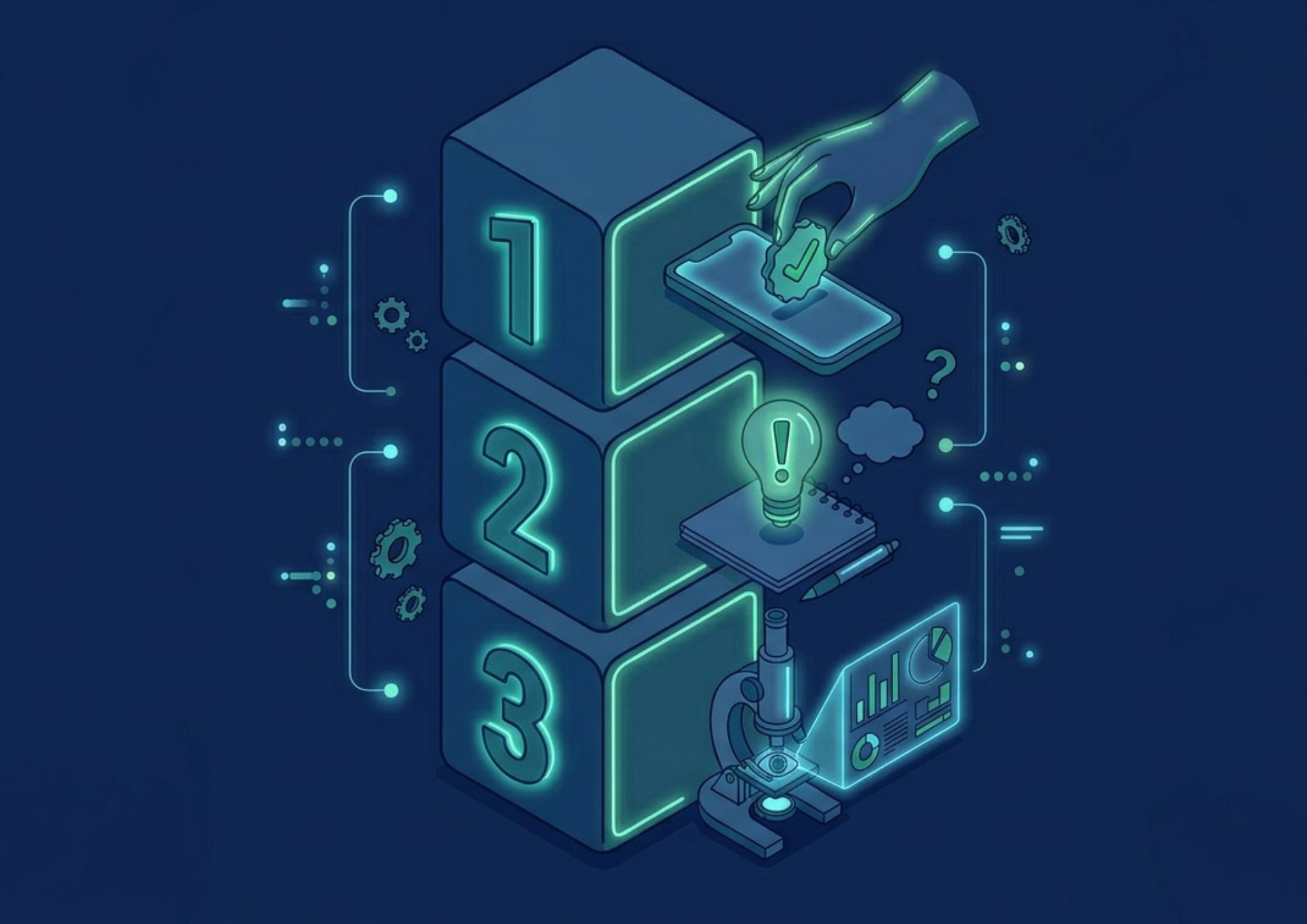
You don't need to be a lawyer to be compliant, but you do need a partner who implements these three "Safe Harbor" strategies:
A. De-Identification at Source (The "Golden Rule")
The easiest way to mitigate PIPL risk is to ensure that the data leaving China is not "Personal Information." At Youli, we utilize local cleaning nodes. We collect the raw data on China-based servers, strip all PII (Personally Identifiable Information), and only export the anonymized results.
B. Separate Consent for Export
A generic "Terms and Conditions" checkbox is no longer legal. In 2026, your fieldwork scripts must include a Separate Consent clause that explicitly tells the participant:
• Who the overseas recipient is.
• What specific data is being exported.
• How they can exercise their right to withdraw consent.
C. The PIPIA Audit Trail
Before any cross-border project begins, we conduct a Personal Information Protection Impact Assessment (PIPIA). This document is your "Insurance Policy." If a regulator ever audits your project, the PIPIA proves you exercised "Good Faith" compliance, which can mitigate or even waive penalties under the new 2026 leniency clauses.
Why Youli is Your "Safe Harbor" in China
At Youli, compliance isn't a checkbox; it's our foundation. We’ve already integrated the January 2026 Certification Measures into our workflow. Get in touch today